The world's hottest food-tech innovations in
2025


Feeding a growing global population is one of the food industry's greatest challenges and technology is key to solving it. FoodNavigator launched the Global Food Tech Awards to spotlight the brands delivering sustainable, transformative future food solutions
Top trends
In 2025, 78 pioneering start-ups battled on the global stage to showcase the future of food technology. Their innovations highlight the forces reshaping how we produce, process and consume food; and point to where the next big breakthroughs will emerge. Here are the top three trends driving that change.
The fermentation renaissance is in full swing. From yield-boosting precision fermentation to biomass fermentation that creates clean-label proteins, this technology is powering everything from alternative seafood to functional fibres.
Alongside fermentation, AI is becoming a critical enabler. It is accelerating ingredient discovery, optimising upcycling and personalising nutrition at scale. Circularity remains another defining theme as companies work to valorise waste streams, upcycle agricultural by-products and design zero-waste processes to meet both ESG goals and consumer expectations.
Finally, functionality. Ingredients are no longer passive, they’re bioactive, gut-friendly and tailored for health outcomes, signalling a real shift from ‘food as fuel’ to ‘food as medicine’.



Regional differences
From APAC to EMEA and the Americas, the Global Food Tech Awards 2025 showcases there are clear strengths and focuses when it comes to regional focuses.
EMEA, for examples, is committed to clean-label and sustainable solutions. From wholefood proteins to cocoa-free chocolate, the region is leading the charge on transparency and regulatory readiness, which is critical for winning consumer trust in mature markets.
The Americas excel in scalability and commercialisation. With strong traction in foodservice and partnerships with global CPGs, this region is proving that disruptive ideas can achieve price parity and operational efficiency without sacrificing innovation.
APAC brings agility and adaptability, leveraging fermentation and AI to deliver culturally relevant flavours and formats. Its strength lies in rapid deployment and cost-competitive models that cater to diverse and dynamic markets.
Global commonalities
But there is a common thread that ties all the regions together, which is the pursuit of sustainability paired with uncompromised taste and functionality. Global food-tech companies aren’t just creating alternatives, they’re building resilient supply chains, reducing carbon footprints and redefining consumer expectations.
The result? A food system that is becoming smarter, cleaner and more inclusive. Here, innovation isn’t a buzzword, but a blueprint for feeding 10 billion people without exhausting the planet.
So, who are these intelligent, trendsetting food and drink heroes?

GFTA's in numbers


3
regions

7
runners up

3
winners

78
entries
The Top 30
Global Food Tech Awards 2026
30

Better Juice
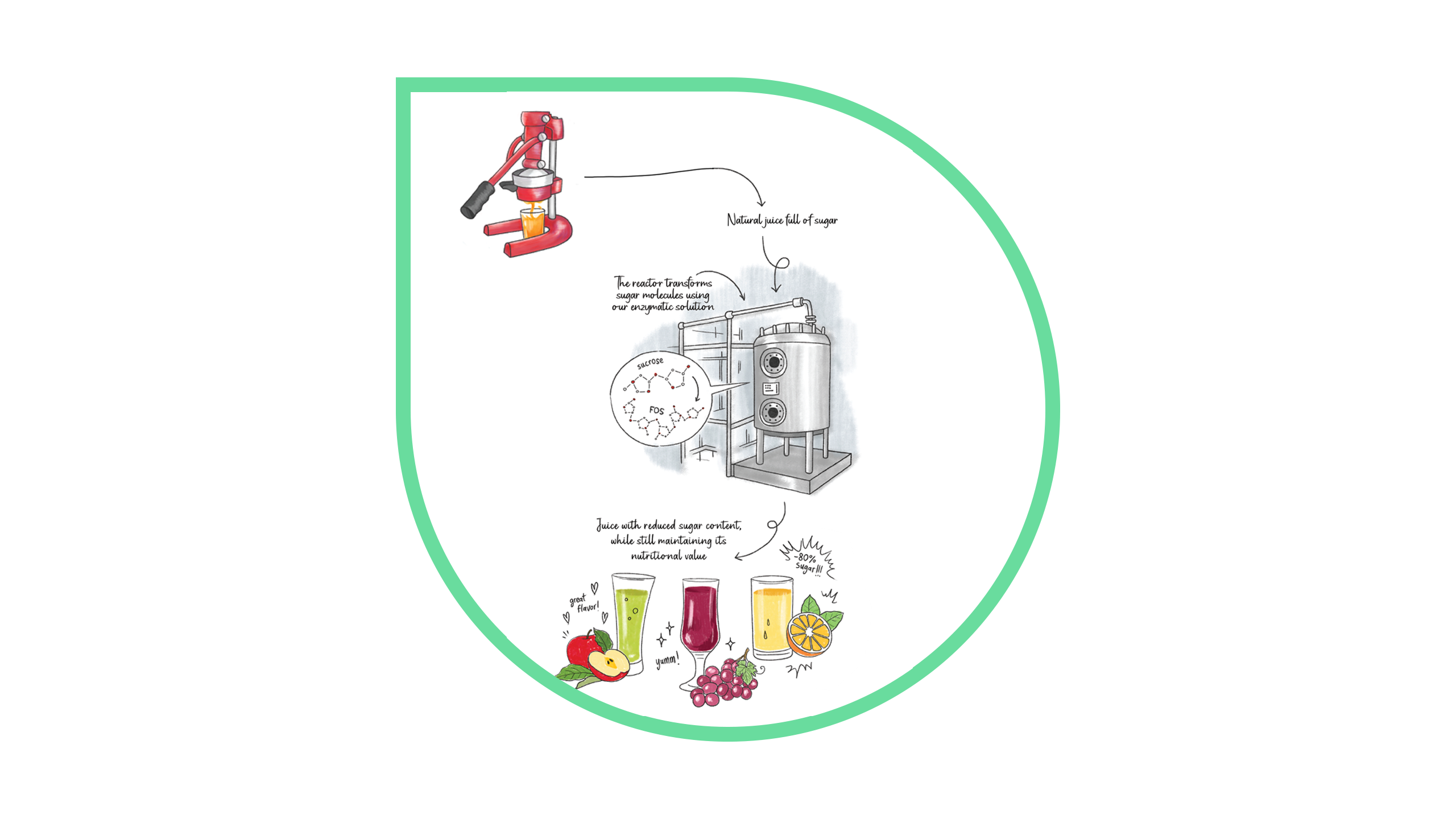
Better Juice is revolutionising the beverage industry with patented technology that naturally reduces sugar in fruit juices, concentrates and purees, but without compromising taste or quality. This clean-label solution addresses global health challenges like obesity and diabetes while maintaining the integrity of natural products. With zero waste, 60% lower energy use compared to competitors and strong ESG performance, Better Juice offers a sustainable, scalable approach for juice manufacturers and fruit-based applications. Already operating a validated commercial unit on the US West Coast, Better Juice is poised to transform how the world enjoys fruit beverages. This makes them healthier, more responsible and future-ready.
Headquartered: Rehovot, Israel


29

Aqua Cultured Foods
Aqua Cultured Foods is pioneering the world’s first fish-free seafood made through fermentation – delivering the taste, texture and appearance of raw seafood without the environmental and health risks of traditional fishing. Its whole-cut tuna and scallops are vegan, fibre-rich and free from mercury, allergens and microplastics. Using a scalable, low-resource process like brewing beer, Aqua achieves 99.7% lower water and land use than conventional seafood and undercuts market prices. Michelin-restaurant chefs are already replacing traditional tuna with Aqua products, claims the company. It also has strong IP protection and plans for global expansion in place as it seeks to redefine seafood for a sustainable, climate-safe future.
Headquartered: Chicago, USA


28

Future Biome
Future Biome is redefining gut health with precision prebiotic fibres powered by fungi and AI. Unlike traditional plant-based fibres that require grams to be effective, its fungal strains deliver results in milligrams, which makes them efficient, customisable and sustainable. Produced in bioreactors, these prebiotics eliminate soil dependency and enable personalisation for microbiome optimisation. Clinical trials show 20-times lower doses than existing market leaders and no side effects. Benefits are said to include reduced inflammation and improved mood balance. With partnerships and scaling plans underway, Future Biome is turning everyday foods into functional health tools, addressing global fibre gaps and chronic inflammation through science-driven innovation.
Headquartered: Buenos Aires, Argentina
27

SB Coa&Co Pte Ltd
SG Coa&Co is reinventing plant protein with a wholefood, fermented format: mini-croutons or clusters that deliver 50% high-quality protein, fibre and postbiotics in a crunchy, versatile form. Unlike isolates, this shelf-stable ingredient retains natural bioactives and fits seamlessly into snacks, bakery, soups, noodles and meal solutions to bridge the gap between functionality and clean-label nutrition. Scalable through traditional fermentation and minimal processing, Coa offers a low-carbon alternative to animal protein while reducing food waste. With strong traction in Singapore via its B2C proof of concept and partnerships with major APAC food players, Coa is setting a new standard for affordable, nutritious and sustainable protein.
Headquartered: Singapore
26
SkoneLabs
SkoneLabs is tackling food waste with the internet of things technology that monitors and optimises storage conditions for perishable goods. Its wireless sensors track temperature, humidity and gas levels in real time, ensuring crops and fresh produce remain in peak condition from farm to fork. By providing actionable insights through a connected platform, SkoneLabs helps retailers, distributors and foodservice operators prevent spoilage, reduce losses and improve shelf life. It does this all while cutting operational costs. Scalable and easy to integrate, this solution supports sustainability goals by minimising waste and conserving resources, making SkoneLabs a key player in building smarter, more efficient food supply chains.
Headquartered: Berlin, Germany
25

Nosh.bio
Nosh.bio is building the future of sustainable protein with biomass fermentation, creating affordable, nutritious and tasty ingredients from non-GMO fungi. Designed for clean-label formulations, Nosh’s proprietary process transforms agricultural side-streams into versatile proteins for meat alternatives, sauces, bakery, dairy and health products. It does this with the aim of delivering exceptional taste, texture and functionality, but without harsh processing. With 90% less water use, 98% lower CO₂ emissions and 99% less land compared to beef, Nosh offers a scalable, circular solution that retrofits breweries for rapid deployment. Backed by partnerships with Tönnies and Barilla, Nosh.bio is redefining protein production for a food system that’s better for people and planet.
Headquartered: Berlin, Germany
24

Soiltech Wireless
Soiltech Wireless is transforming crop management and food processing with a smart combination of hardware and software that reduces food waste and improves traceability across the supply chain. Its Beacons monitor soil moisture, temperature and field conditions to optimise harvest timing, while GPS and impact sensors track crops during transport and processing to identify bruising risks. Storage monitoring ensures ideal conditions for shelf life, cutting losses and improving quality. Already adopted for potatoes and expanded to crops like tomatoes, grapes and nuts, Soiltech empowers growers and processors to collaborate, conserve resources and deliver sustainable, high-quality food from field to fork.
Headquartered: Idaho, USA
23
DProtein
DProtein is pushing a new class of alternative proteins that have been produced without plants or animals by using precision fermentation. Its first product is a highly soluble, tasteless, odourless and nearly colourless protein, with complete amino acid composition and 27% higher digestibility than casein. Engineered for optimal nutrition and functionality, it integrates seamlessly into diverse applications, from dairy-free yogurts and fermented drinks to baked goods and protein bars. By combining innovations in protein, cell and bioprocess engineering, DProtein delivers a scalable, sustainable solution that slashes land, water and carbon footprints while meeting global demand for allergen-free, high-performance proteins. This is the future of food – designed, not farmed, says DProtein.
Headquartered: Mexico City, Mexico
22
Kresko RNAtech
Kresko RNAtech is unlocking the hidden power of the bioactive molecules essential for cellular health and metabolic balance – dietary RNAs. These compounds are naturally present in fresh foods and degrade quickly during processing. Kresko’s proprietary technology preserves and stabilises them, enabling functional foods, supplements and beauty products that go beyond basic nutrition to deliver epigenetic benefits and metabolic resets. Powered by Serkanto-AI, Kresko accelerates discovery and development of RNA-based ingredients, creating IP-protected solutions for wellness and longevity. With big player partnerships already in the bag, Kresko is pioneering a new frontier in food tech.
Headquartered: Buenos Aires, Argentina
21

Prefer
Prefer is future-proofing flavours with a proprietary fermentation platform that recreates coffee and cocoa taste from renewable ingredients like rice and chickpea. This innovation cuts carbon emissions by up to eight times, reduces land and water use and eliminates reliance on climate-vulnerable crops, while delivering authentic flavour and aroma. Scalable and adaptable, the platform enables rapid development of new flavours, making it a blueprint for sustainable ingredient production. With commercial traction in Singapore, the Philippines and partnerships already ongoing in the market, Prefer is redefining how CPG brands, foodservice operators and flavour houses source resilient, climate-conscious ingredients for global markets.
Headquartered: Singapore
20
Motai Group BV
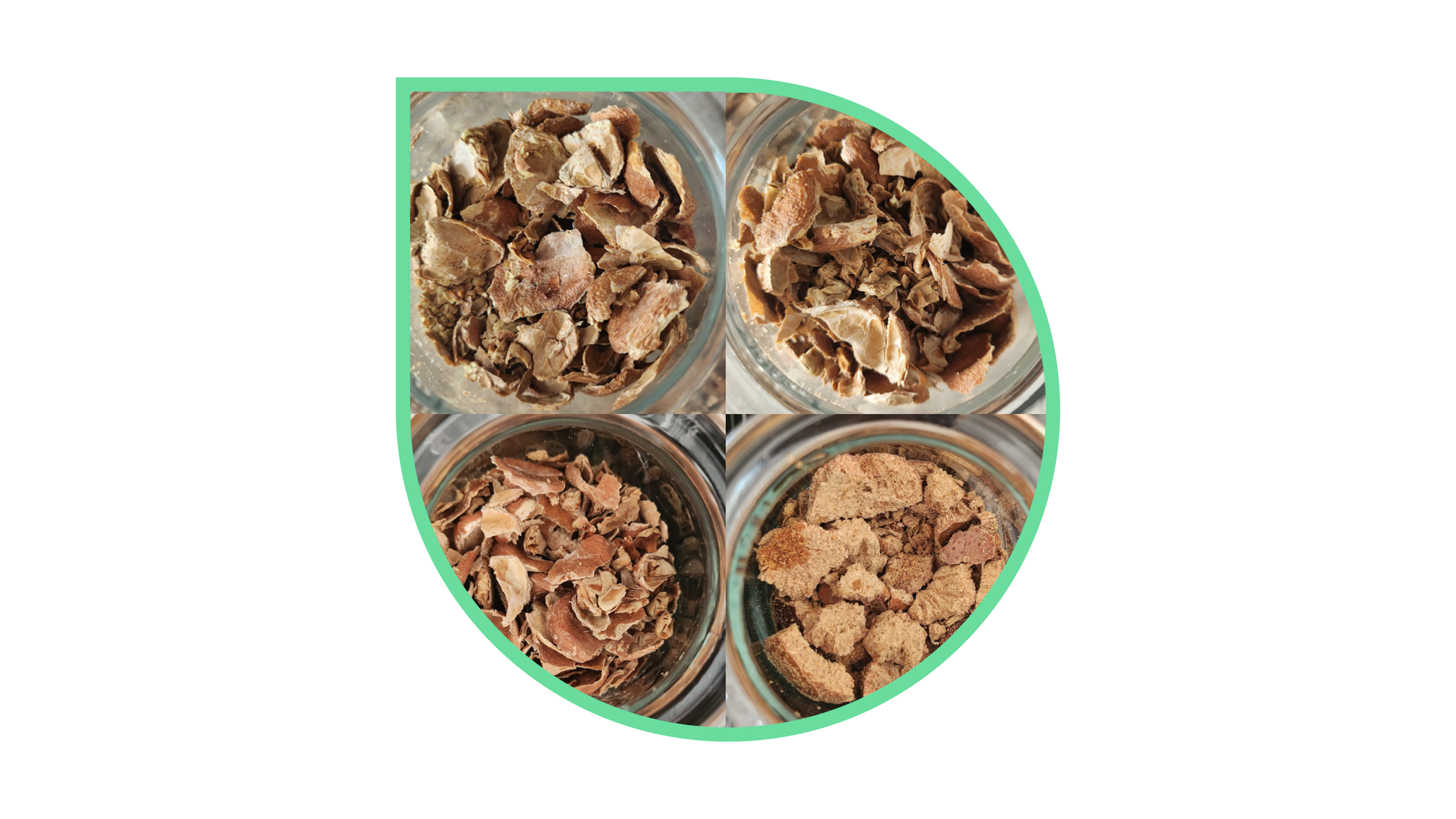
Motai Group is creating a sustainable alternative to cocoa by upcycling Cupuaçu seeds – an underused by-product of Amazonian superfruits – into premium chocolate-like ingredients. Using precision fermentation, Motai delivers a creamy, caffeine-free product with a familiar taste profile, tackling cocoa’s looming supply crisis and price volatility. This innovation champions agroforestry, combats deforestation and empowers indigenous communities with new income streams. With strong commercial interest from global CPG players and manufacturers, Motai combines environmental responsibility with market opportunity. By transforming waste into indulgence, Motai offers a scalable, climate-resilient solution for confectionery and bakery industries worldwide.
Headquartered: Amsterdam, The Netherlands
19
NakedPak
NakedPak is reinventing food packaging with a zero-waste, edible film that dissolves during cooking and claims to make packaging disappear. Acting like a natural peel, it protects food until preparation, then vanishes in boiling water, leaving nothing behind. Designed for ready meals, outdoor dining and defence sectors, NakedPak is cost-competitive, scalable and plug-and-play for existing manufacturing lines. It can eliminate single-use plastics, microplastic pollution and disposal costs while aligning with global sustainability goals and upcoming EU regulations. With early interest from major CPG players and big household brands, NakedPak offers a simple, almost magical solution to one of the world’s biggest packaging problems.
Headquartered: Rishpon, Israel
18
Grinove Materials
Grinove Materials is redefining sustainable packaging with 30-day compostable, paper-based biomaterials made from agricultural by-products like wheat and barley straw. Using an enzyme-assisted fibre extraction process, Grinove eliminates wood pulp and harmful chemicals, creating durable, food-safe packaging with natural oil and water resistance – without multi-layer composites or synthetic coatings. This low-energy, low-water innovation prevents crop waste from being burned, reduces emissions and supports circular economy principles. With a scalable plant-implant production model enabling localised manufacturing, Grinove offers a game-changing alternative to plastic and conventional paper, meeting rising global demand for eco-friendly packaging while fostering rural economic growth and environmental resilience.
Headquartered: Izmir, Turkey
17
Maolac Ltd
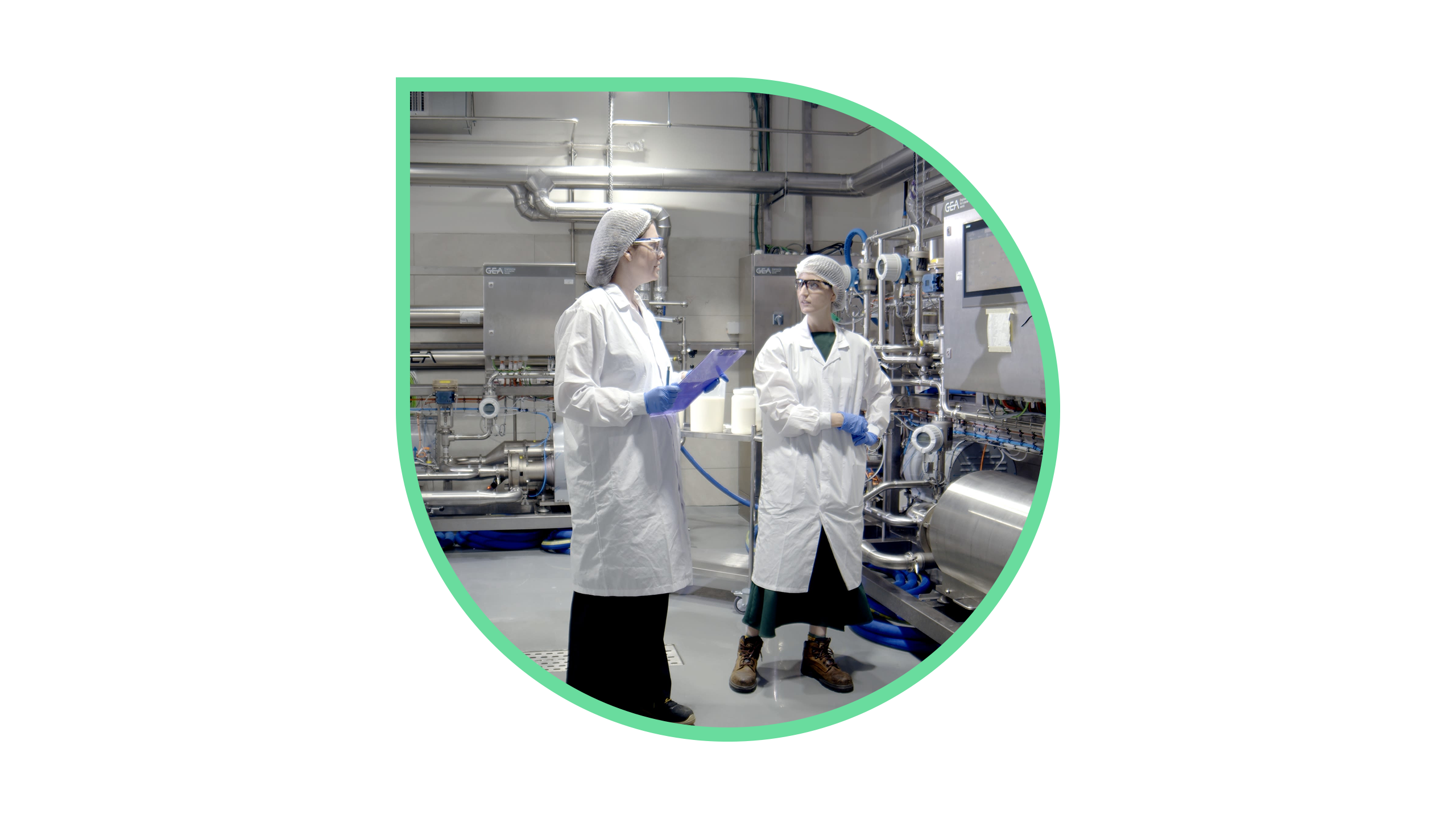
Maolac is pioneering human bio-identical proteins for premium dietary supplements using a revolutionary approach: Human Milk as a Compass. Its proprietary AI platform, Maoreka, leverages machine learning and AlphaFold 3D modelling to decode nature and identify proteins from diverse sources with superior bio-similarity. These clean, tasteless and highly stable proteins deliver targeted benefits for gut health, sports nutrition, mobility and longevity, which is effective in small doses and backed by clinical validation. With scalable production, strong partnerships in North America and Asia, and a $1.16m sales pipeline, Maolac is redefining functional nutrition with science-driven, sustainable innovation that meets critical health needs.
Headquartered: Tirat Hacarmel, Israel
16

RenaiSun Renewable Resources Ltd
RenaiSun is tackling post-harvest food loss with a smart, solar-powered drying system that transforms surplus crops into high-value dried products. Combining solar thermal technology with AIoT monitoring, the system ensures real-time control, traceability and consistent quality, but without fossil fuels or weather dependency. Compared to traditional methods, RenaiSun cuts drying costs by up to 80%, reduces time by 60% and eliminates CO₂ emissions. Its modular design and hub model make it scalable and accessible for farmers, cooperatives and food companies. Already piloted in Taiwan and Indonesia, RenaiSun is redefining crop preservation with clean energy, smart tech and a circular economy approach.
Headquartered: Hsinchu, Taiwan
15

Tertiary Extracts Otautahi Ltd
Tertiary Extracts is levelling-up protein innovation with Ovitage, a next-generation collagen and bioactive protein platform upcycled from ovine (sheep) skins, which is a global waste stream. Ovitage delivers superior bioavailability, stability and unique peptide profiles, supporting women’s health needs like bone density, muscle strength and skin elasticity. This solution claims to address two critical gaps: sustainable resource use and targeted nutrition for the 1.2 billion women entering menopause by 2030. With proven efficacy, scalable enzymatic extraction and applications across supplements, functional foods and cosmeceuticals, Ovitage transforms waste into wellness. Early traction in APAC and North America confirms its potential as a game-changing platform.
Headquartered: Christchurch, New Zealand
14

2nd Nature
2nd Nature’s AgWaste Portal uses AI to transform food processing leftovers into high-value functional ingredients, unlocking a new frontier in sustainable innovation. The platform identifies optimal feedstocks and discovers bioactive molecules, such as peptides, enzymes and small compounds that are hidden in food waste. This enables cost-effective, clean-label solutions for food, beverage, wellness and personal care markets. By replacing virgin raw materials and eliminating trial-and-error R&D, AgWaste Portal accelerates ingredient discovery while reducing waste and emissions. Already gaining traction across EMEA, APAC and the Americas, this technology turns overlooked by-products into profitable, planet-friendly resources to redefine how industries source functionality and fight food waste.
Headquartered: Cincinnati, USA
13

Careit
Careit is a food donation and rescue platform that connects surplus food from businesses to local non-profits through a free, cloud-based marketplace. Using smart algorithms and GIS technology, Careit optimises logistics, matching donors with nearby recipients to reduce waste and fight hunger efficiently. The platform enables real-time tracking, photo verification and compliance with regulations like California’s SB 1383, while offering premium features for data and impact reporting. By diverting food from landfills, Careit cuts methane emissions and supports a circular food system. With partnerships like Sprouts Farmers Market and hundreds of municipalities, Careit is redefining food redistribution at scale.
Headquartered: California, USA
12

Rawga Inc
Rawga’s VC-H1 is a plant-based collagen alternative derived from organic hibiscus, delivering an ultra-low molecular weight tripeptide with a defined mechanism: boosting type I collagen synthesis while reducing breakdown. Clinically proven in a 12-week trial to improve hydration, elasticity and texture, VC-H1 offers a "fill + protect" double effect without animal inputs. Odourless, allergen-free and dose-efficient, it formulates cleanly into supplements, beverages and functional foods. Vertically integrated GMP manufacturing ensures traceability, consistency and scalable supply. With strong commercial traction across APAC and North America, VC-H1 sets a new ethical, science-backed standard for skin-health nutrition.
Headquartered: Seongnam, South Korea
11
Foreverland Food
Foreverland’s Choruba is a patented cocoa-free chocolate alternative crafted from upcycled Italian carob and forgotten crops. Using a process that mirrors cocoa’s fermentation, roasting and grinding, Choruba delivers authentic chocolate taste and functionality, but without the environmental and ethical baggage of cocoa. It slashes CO₂ emissions, water use and land pressures while enabling brands to innovate in vegan, allergen-free and sustainability-driven markets. With versatile formats (drops, powder and liquid) and proven commercial launches, Choruba offers a scalable, cost-stable solution for confectionery, bakery and plant-based products. Though it’s not marketed as just a substitute, it’s claimed to be a new origin story for chocolate that’s climate-smart and consumer-ready.
Headquartered: Puglia, Italy
10
Kyomei
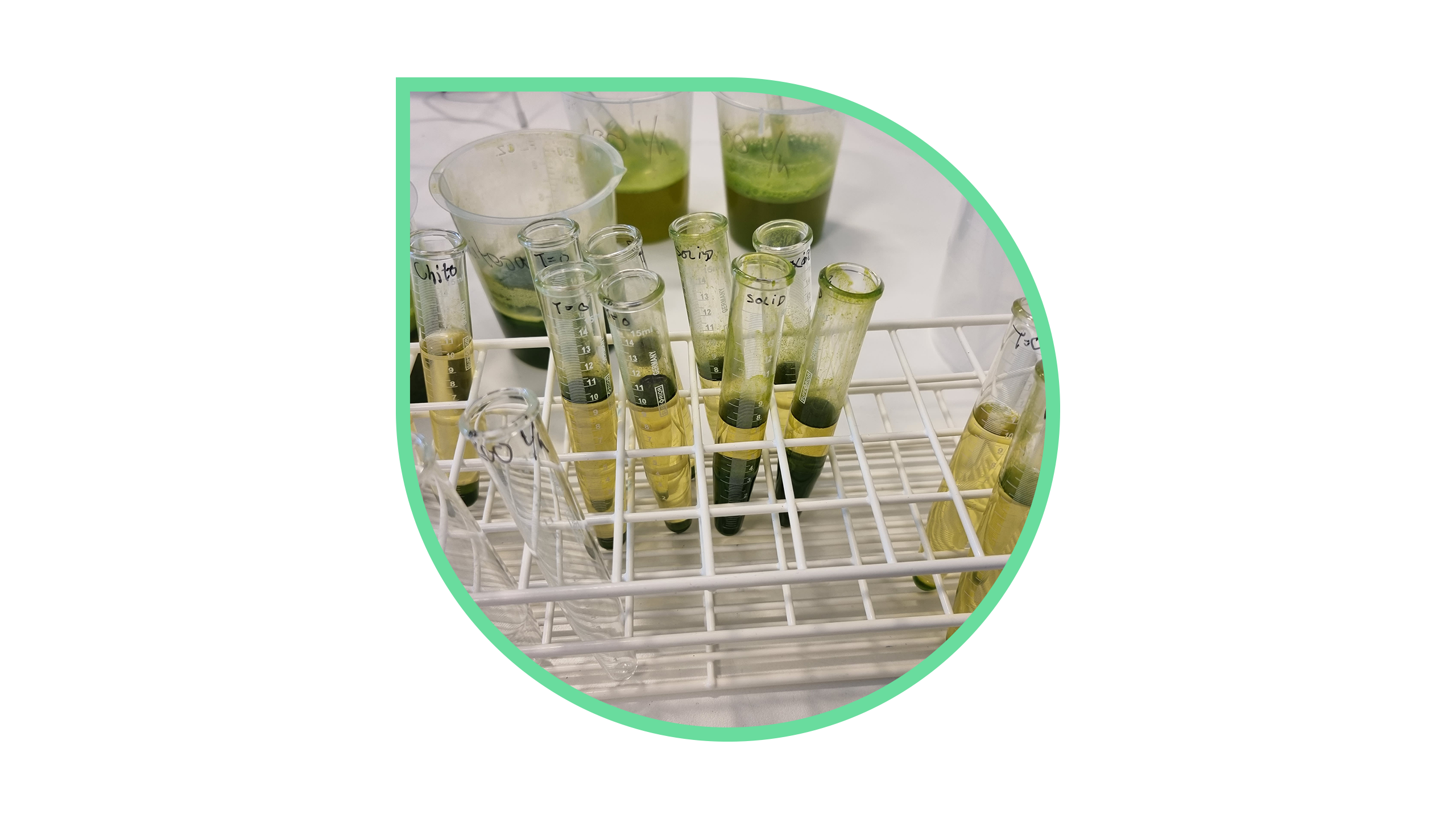
Kyomei is redefining ingredient production by turning crop leaves – once agricultural waste – into bioreactors for clean-label, functional proteins. Its first product, Rubisco, is a climate-friendly egg replacement and natural alternative to ultra-processed additives, offering superior nutrition and allergen-free versatility. Kyomei’s patented molecular farming and extraction platform also enables recombinant proteins like Brazzein, a zero-calorie sweetener 2,000 times sweeter than sugar. By upcycling leaves, Kyomei boosts farmer income, cuts emissions and avoids land-use pressure. With major co-development deals and pilot-scale validation, Kyomei is aiming to transform global food systems.
Headquartered: London, UK
9

Nutrition from Water
Nutrition from Water is pioneering natural performance nutrition sourced from pristine waters, including lakes, oceans and thermal geysers. Its flagship innovation, Marine Whey, delivers complete, sustainable protein derived from microalgae that’s been designed to drop seamlessly into foods and performance products like smoothies, bars and dairy alternatives. With 91% lower environmental impact than dairy and up to 95% when using circular feedstocks, NXW offers a scalable solution to global malnutrition and food security challenges. Backed by JDAs with major nutrition players and global distribution partnerships, NXW is on track to become the first company to scale microalgae protein to thousands of tonnes worldwide.
Headquartered: Faro, Portugal
8

SCO2
SCO2 is revolutionising ingredient extraction with Nextract, a patented supercritical CO₂ technology designed for industrial scale. Unlike traditional methods that rely on harsh solvents like hexane or ethanol, Nextract uses only carbon dioxide to unlock valuable compounds such flavours, colours, antioxidants and polyphenols, from food biomass and side streams. This clean, green process reduces waste, cuts emissions and creates new revenue streams for global manufacturers. Already partnering with CPG giants and ingredient majors, SCO2 offers a scalable, low-capex solution that transforms sustainability into profitability. With thousands of potential applications, Nextract is a game-changing platform for a circular, solvent-free future.
Headquartered: Minnesota, USA
7

Kokomodo
Kokomodo is reinventing cacao with cellular agriculture, growing it from selected cell lines in clean, controlled environments instead of deforestation-linked farms. The tech delivers real cacao that’s climate-resilient, pesticide-free and rich in natural flavanols. As a result, the product is claimed to have antioxidant, energy and healthy ageing benefits that are ideal for functional foods, beverages and supplements. By eliminating land use, heavy metals and volatile supply chains, Kokomodo offers year-round production with customisable flavour and bioactive profiles. Recognised by leading accelerators and global food tech programs, Kokomodo is building a scalable, sustainable platform that meets consumer demand for ethical, traceable and health-forward ingredients.
Headquartered: Rehovot, Israel
6

Polysense
Polysense is transforming food manufacturing with AI-powered, real-time quality control that slashes waste and boosts efficiency. Its Quality Assistant system uses industrial cameras and advanced image analysis to monitor production continuously, detecting defects and adjusting processes automatically, ideally before problems occur. This approach replaces inconsistent manual checks, which in turn reduces deviations from 50% to under 3%, while freeing operators for higher-value tasks. By preventing waste, cutting energy use and adapting to seasonal raw material changes, Polysense delivers measurable sustainability impact. With major clients in foodservice and bakery, and strong investor backing, Polysense is setting a new standard for intelligent, waste-free production.
Headquartered: Ghent, Belgium
5
Cropsto Packaging
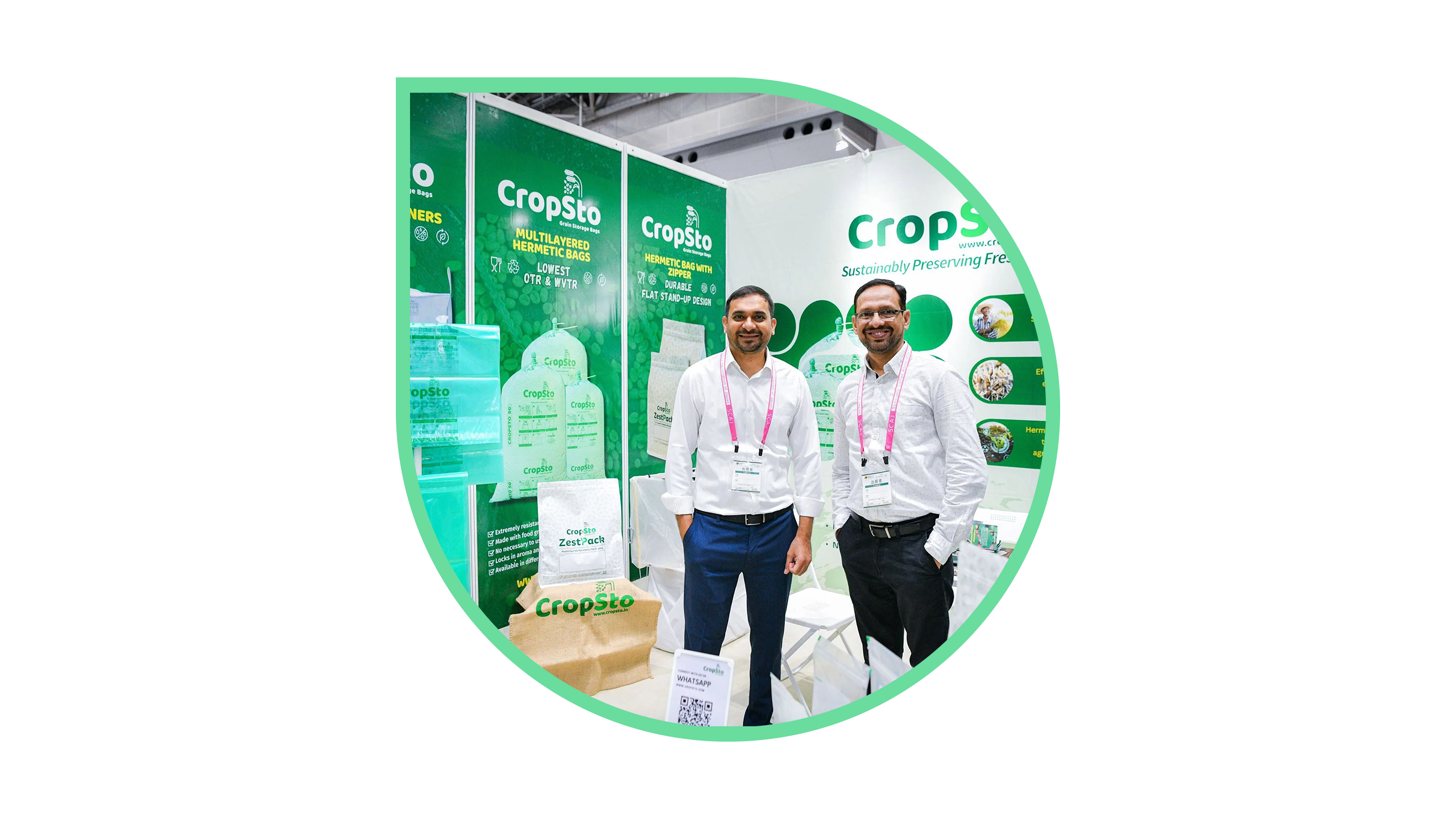
CropSto is tackling post-harvest loss, which is one of the biggest hidden drivers of food insecurity. It’s doing so with advanced hermetic packaging that creates an airtight, oxygen-free environment to protect grains, coffee and other commodities from pests, mould and moisture. This chemical-free solution preserves quality, extends shelf life and eliminates the need for fumigation, reducing waste and emissions while saving farmers and exporters money. Made from durable, recyclable materials, CropSto’s packaging is scalable across crops and regions, already deployed in Africa, Asia and Latin America. By securing harvests at the source, CropSto delivers a simple, sustainable innovation that strengthens global food security and farmer livelihoods.
Headquartered: Gujarat, India
4

Clean Food Group
Clean Food Group is reinventing oils and fats with its Clean OilCell fermentation tech. Instead of relying on deforestation-linked crops like palm or soy, CFG uses non-GMO yeast fed on surplus food waste to produce high-quality oils and fats that act as drop-in replacements for conventional ingredients and at price parity. This circular, scalable solution is claimed to slash greenhouse gas emissions by over 90%, divert waste from landfill and avoid land and water-intensive agriculture. With successful large-scale fermentation runs, strategic partnerships and investor backing, CFG aims to disrupt global supply chains and deliver sustainable, traceable ingredients for food, cosmetics and pet care.
Headquartered: London, UK
3
Marine Biologics
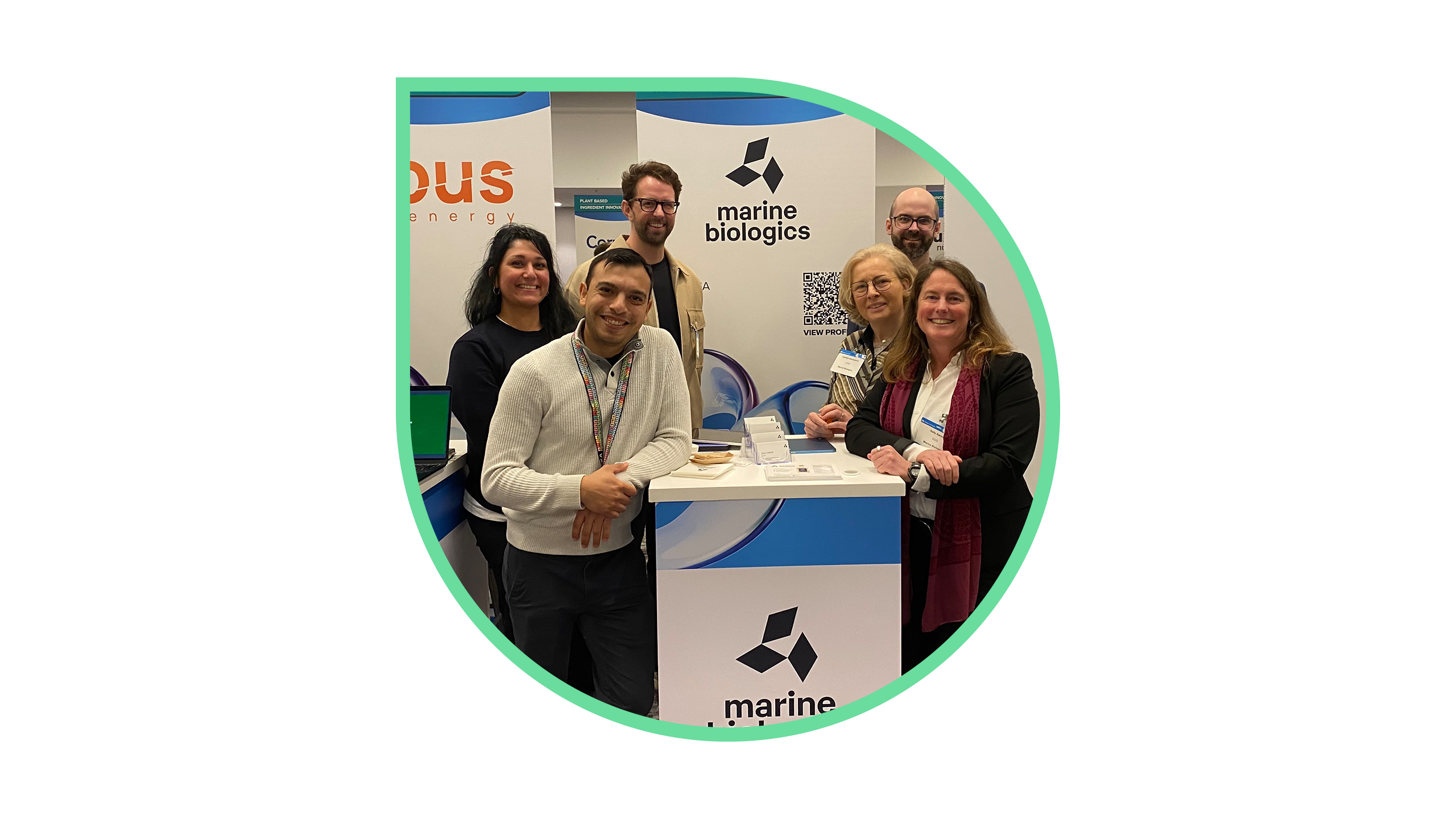
Marine Biologics is transforming seaweed into the next generation of clean-label, functional ingredients using an AI-powered discovery platform. By pairing advanced bioinformatics with standardised macroalgae inputs, the company unlocks thousands of bioactive compounds for applications in food, cosmetics and beyond. Its proprietary processes deliver sustainable solutions for protein stabilization, egg replacement and texture enhancement to address a $400bn functional ingredient gap. Seaweed, the fastest-growing organism on Earth, requires no fertiliser and doesn’t compete for arable land, making it a climate-positive resource. With strong IP, global partnerships and scalable technology, Marine Biologics is building a new supply chain for high-value, reduced-carbon products.
Headquartered: California, USA
2

BioMara
BioMara is unlocking the power of seaweed with a patent-pending, zero-waste bioprocess that delivers high-purity, clinically validated ingredients for food, nutraceutical and wellness brands. Its hero products, Thalivra fucoidan and Seafibrex fibre, offer gut health, immunity and anti-inflammatory benefits while enabling clean-label reformulation in everyday foods. BioMara’s chemical-free process preserves bioactivity and maximises resource efficiency, turning regenerative seaweed into multiple high-value outputs. With letters of intent from major brands and regulatory pathways underway, BioMara aims to set a new standard for sustainable, science-backed ingredients that meet consumer demand for health and traceability.
Headquartered: Edinburgh, Scotland
1

Hydrosome Labs
Harnessing the power of ultrafine bubbles, Hydrosome Labs is redefining precision fermentation. Its chemical-free water technology accelerates cell growth, slashing fermentation time by 25% and doubling biomass yields. This in turn solves a critical bottleneck for the $2tr biomanufacturing industry. How do they do this? Compact, scalable equipment integrates seamlessly into existing production systems, while an SaaS-style model ensures accessibility. By reducing energy and nutrient inputs, Hydrosome Labs supports sustainable food production and helps meet the challenge of feeding 10 billion people by 2050. With Fortune 500 interest, major grants and industry accolades, Hydrosome Labs is poised to be a game-changer in alternative proteins and beyond.
Headquartered: Chicago, USA
The Judges
AMERICAS

Sara Eckhouse
Executive director
FoodShot Global

Bill Aimutis
Co-director & chief operating office
Bezos Center for Sustainable Protein

Elizabeth Crawford
Senior editor
FoodNavigator

Jane Lee
Global leader in strategic innovation
Cargill

Steven Finn
co-managing partner
Siddhi Capital
EMEA

Rodrigo
Ledesma-Amaro
Director
Bezos Centre for Sustainable Protein & Microbial Food Hub, Imperial College London

Bodil Sidén
General partner
Kost Capital

Eric Weisser
Head of ventures
Ingredion

Flora Southey
Senior editor
FoodNavigator
APAC

David Sher
Deputy director of innovation & enterprise
A*STAR

Mirte Gosker
CEO
The Good Food Institute APAC

Michal Klar
Founding partner
Better Bite Ventures

Reshmi Rajendran
Head of R&D and innovation, Greater Asia
Roquette

Pearly Neo
Editor
FoodNavigator Asia